
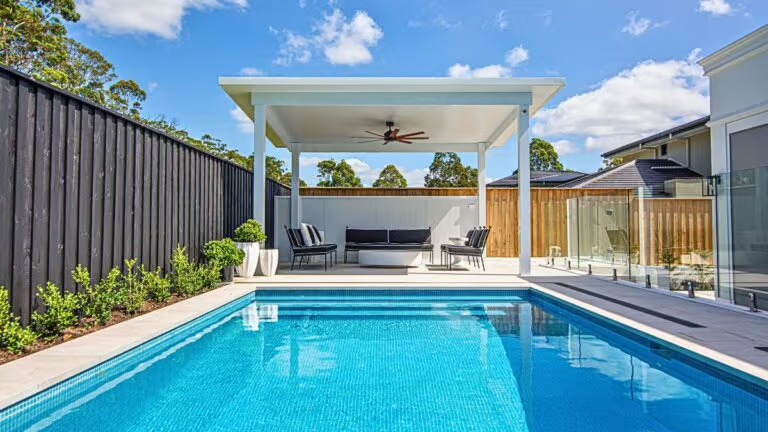
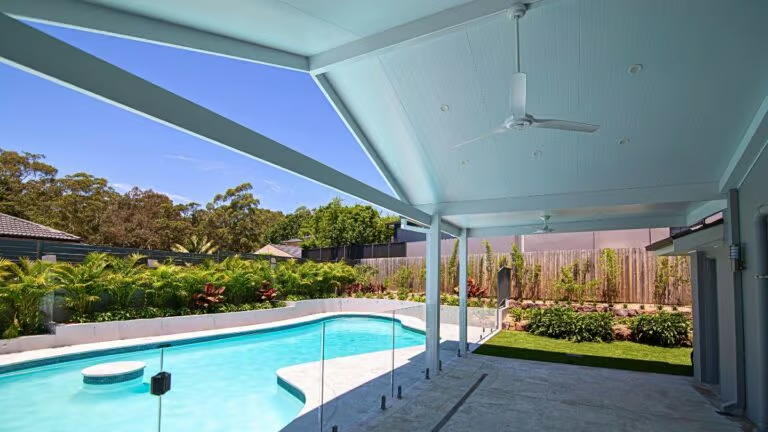
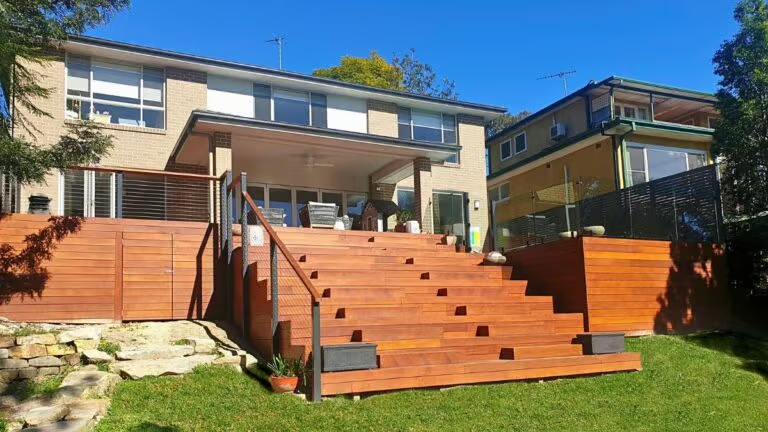
Attached patios are outdoor structures connected directly to your home, usually extending from an existing wall, roofline or back entry. For Sydney homeowners, they can be a practical way to create shade, weather protection and a more usable outdoor living space.
In this guide, we’ll look at the pros, cons, best uses and key design considerations for attached patios, so you can decide whether this style suits your home, backyard and lifestyle.
What is an attached patio?
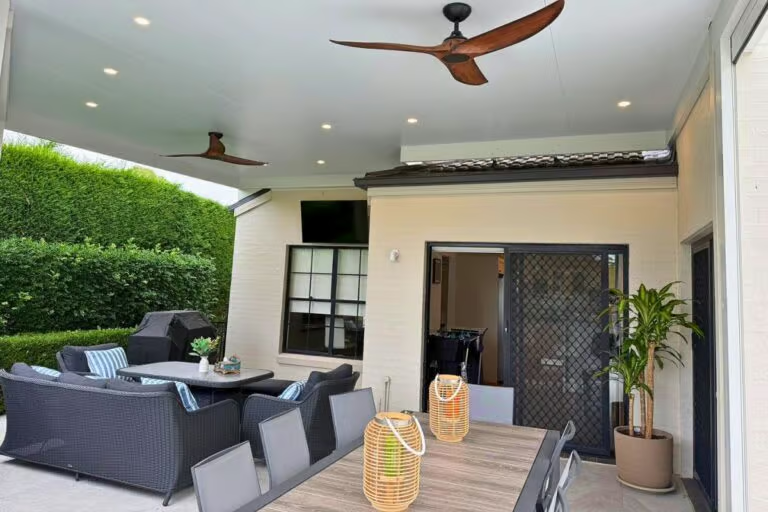
An attached patio is built as an extension of the home, rather than standing separately in the yard. It often sits outside a kitchen, dining room, lounge room or laundry access point, creating a sheltered transition between indoors and outdoors.
Compared with freestanding patios, attached patios usually feel more connected to everyday living. For a family home in Castle Hill, this might mean stepping straight from the kitchen to a covered dining area. In an older brick home in Thornleigh, it may provide practical weather protection at the rear of the house.
Design factors to consider
The best Sydney patio designs are shaped around the home, not just the backyard. Orientation, sunlight, roof height, drainage and the existing roofline all matter. A north-facing area may need careful shading, while a lower roofline may limit the type of structure that can be attached.
Engineering is also important. Because attached patios connect to the home, the structure needs suitable fixing points, correct drainage and proper waterproofing. In NSW, council or approval requirements may also apply depending on the size, location and design.
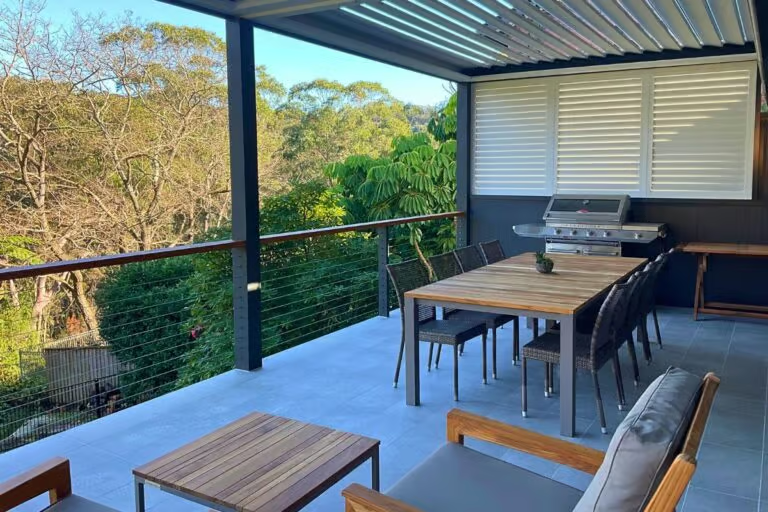
Pros of attached patios
The biggest benefit is convenience. An attached patio can make outdoor living feel effortless, especially when it sits near the kitchen or main living area.
It can also provide strong weather protection for doors, windows and adjoining rooms. In Baulkham Hills, where many homes are designed around family entertaining, an attached patio can make the backyard more usable in both summer sun and wet weather.
Attached patios may also be more space-efficient than freestanding designs, especially on narrow blocks. A home in Ryde, for example, may benefit from coverage close to the back door without losing too much lawn or garden space.
Cons of attached patios
The main limitation is flexibility. Because the patio connects to the house, its position is usually guided by the existing structure. Roof height, eaves, windows and drainage can affect what is possible.
Ventilation and natural light also need to be considered. A poorly planned patio may make adjoining rooms feel darker or less open. In coastal suburbs such as Mona Vale, materials and design details should also be chosen with salt air and weather exposure in mind.
Best uses for attached patios
Attached patios are ideal for everyday outdoor living, family meals, barbecues and relaxed entertaining. They work especially well when you want easy access from inside the home.
They can also suit compact backyards, covered walkways and commercial spaces that need sheltered entry or outdoor customer areas.
At Pergola Land, each patio is custom designed to suit the home, site and lifestyle. If you’re comparing attached and freestanding options, our team can help you choose a practical design that feels like a natural extension of your home.
For further inspiration…
> From Quote to Completion: Patio Installation for Sydney Homes
> Freestanding Patios: Why They Work and When to Choose One
> Backyard Privacy Ideas: Smart Ways to Create a More Private Outdoor Space
FAQ's
What are the benefits of an attached patio design?
An attached patio extends your existing living space by connecting directly to your home, creating a seamless transition between indoor and outdoor areas. Attached patios in Sydney are a popular choice for homeowners wanting additional entertaining space, shade and weather protection while complementing their home’s existing architecture.
What is the best roof style for an attached patio?
The best roof style for an attached patio depends on your home’s design, available space and how you plan to use the area. Popular options include skillion roofs, gable roof patios and insulated patio roofing systems. A professional patio builder in Sydney can design a custom solution that matches your home while providing comfort and protection throughout the year.
Do attached patios require council approval in Sydney?
Many attached patio designs in Sydney require approval depending on the size, location, property conditions and local council requirements. Some projects may qualify for a Complying Development Certificate (CDC), while others may require Development Approval (DA). Pergola Land helps homeowners navigate the approval process and delivers compliant custom patios Sydney homeowners can enjoy for years.